UNILAG 2025 Convocation Lecture: Orondaam Otto Advocates 3-12-4 Education System to Replace Existing 9-3-4 Model
The Founder and Executive Director, Slum2School Africa, Mr. Orondaam Otto has called for an amendment of Nigeria’s Universal Basic Education (UBE) Act to give room for a 3-12-4 system in place of the current 9-3-4.
According to him, the current 9-3-4 system fails to capture the early childhood years (one to five years) which are the formative years for major brain development, speech/language formation, values and social.
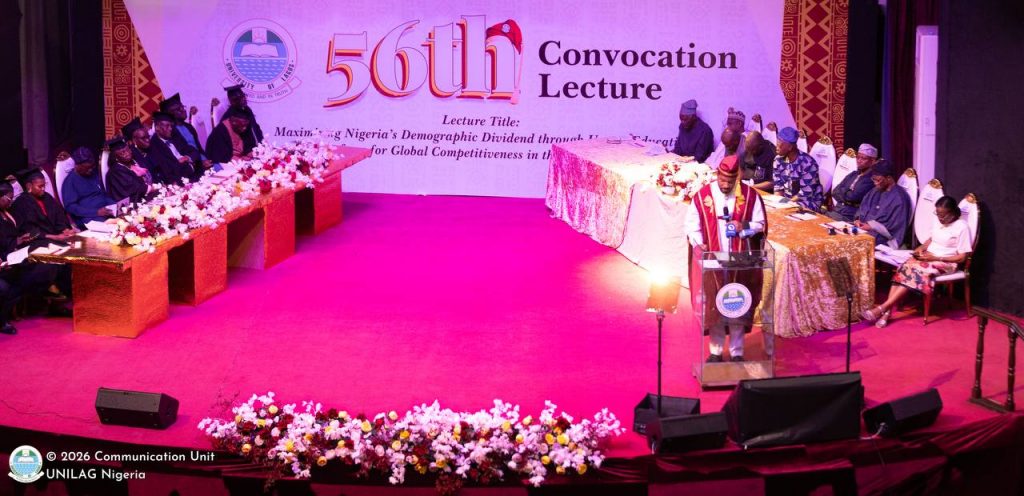
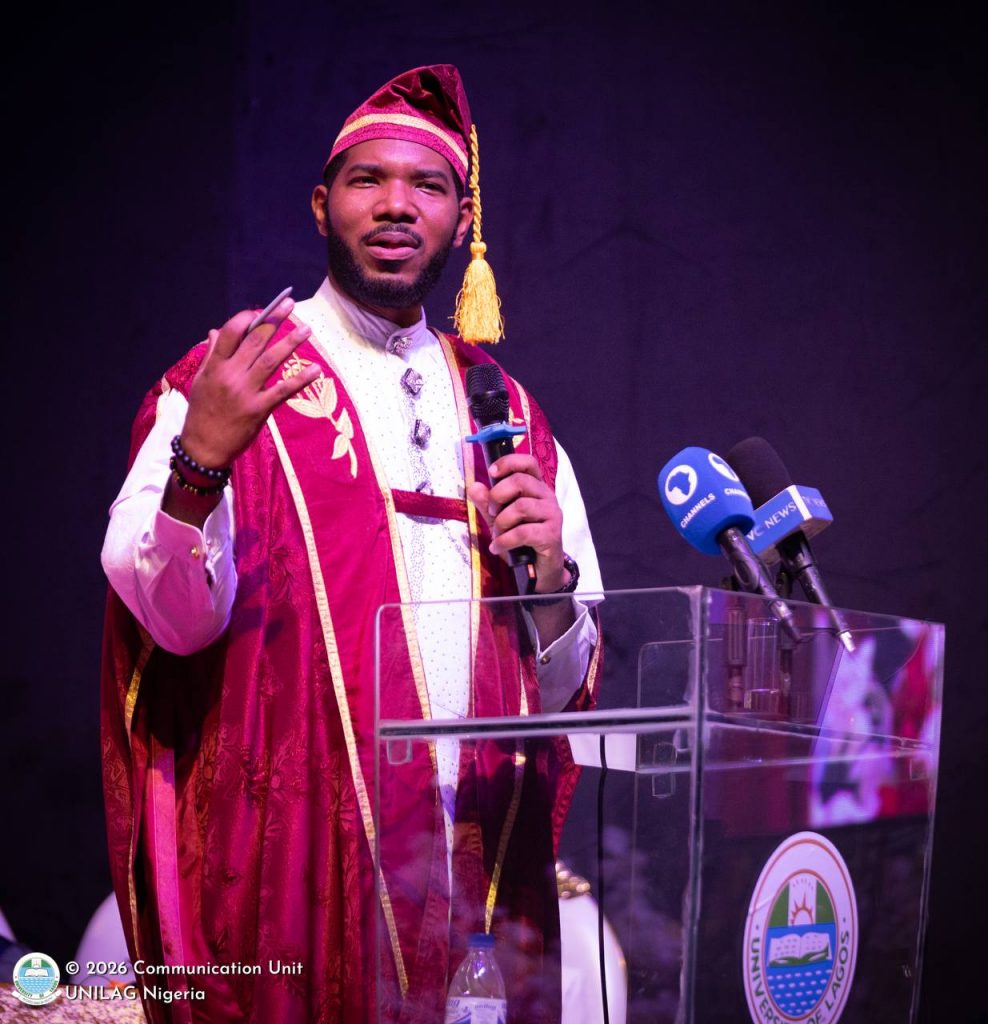
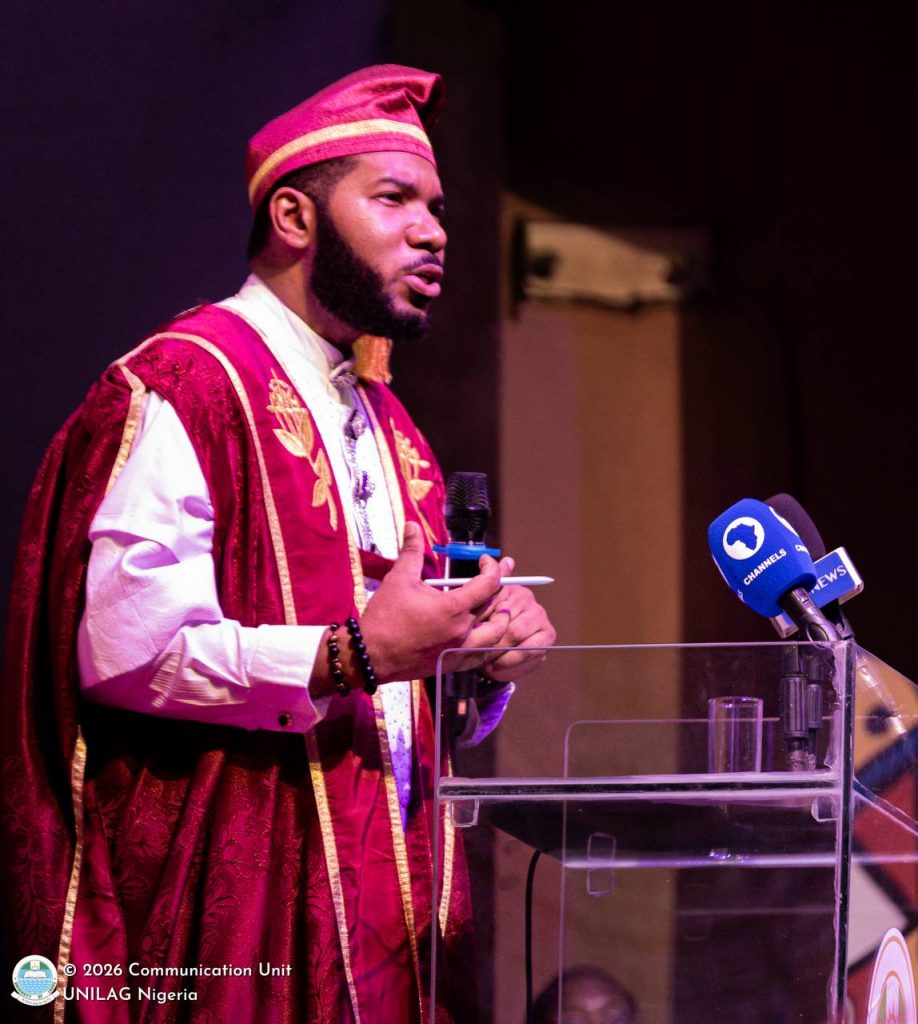
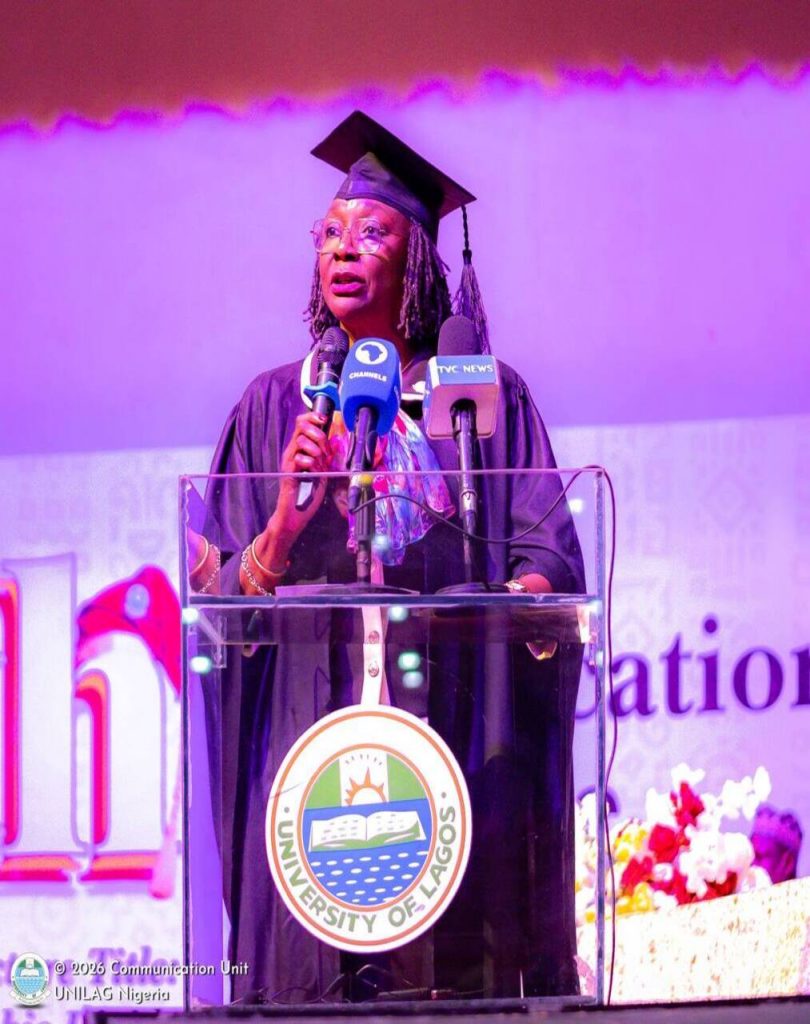
The Nigerian Social Entrepreneur made this known on Monday, January 19, 2026, while delivering the Convocation Lecture for the 56th Convocation Ceremonies of the University of Lagos (UNILAG), under the Chairmanship of Professor Rahamon Bello, FAEng, the 11th Vice-Chancellor of UNILAG; current President, Nigerian Academy of Engineering; and Pro-Chancellor/Chairman of Tai Solarin University of Education, Ogun State.
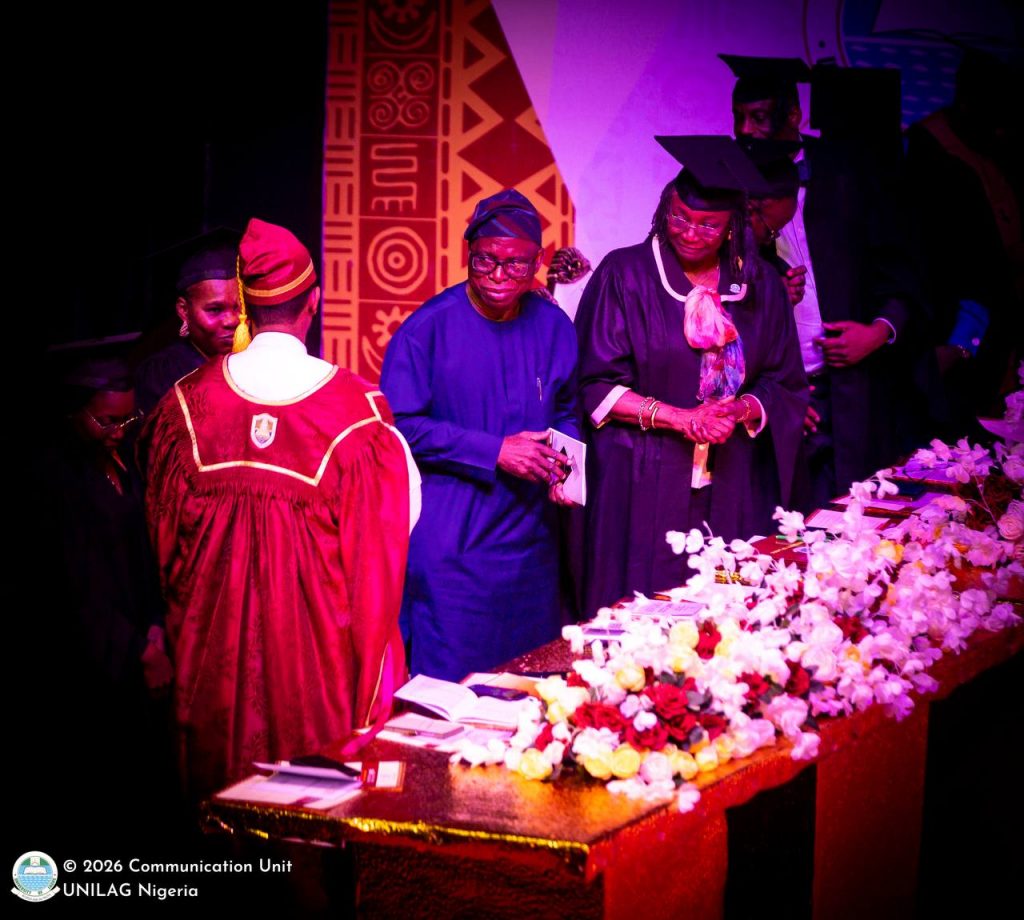
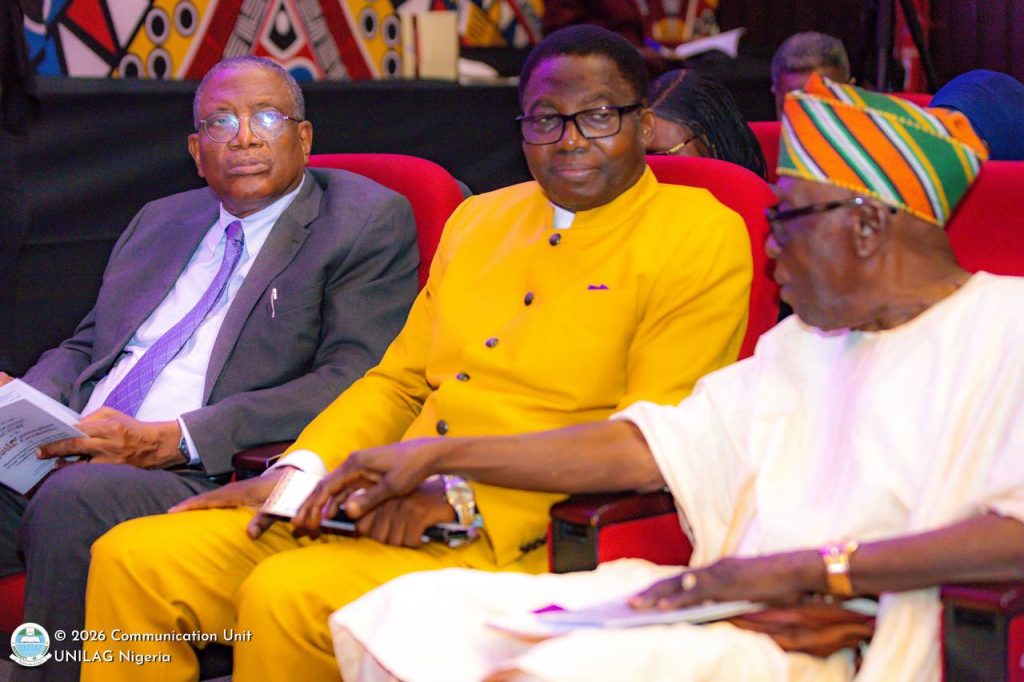
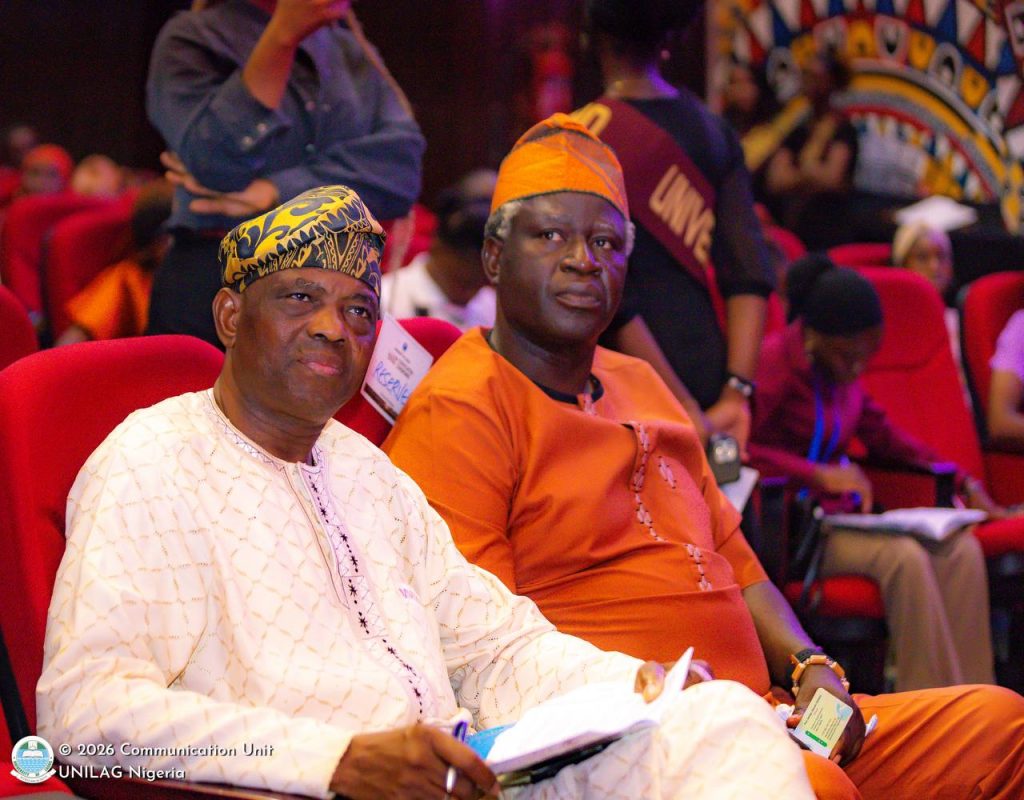
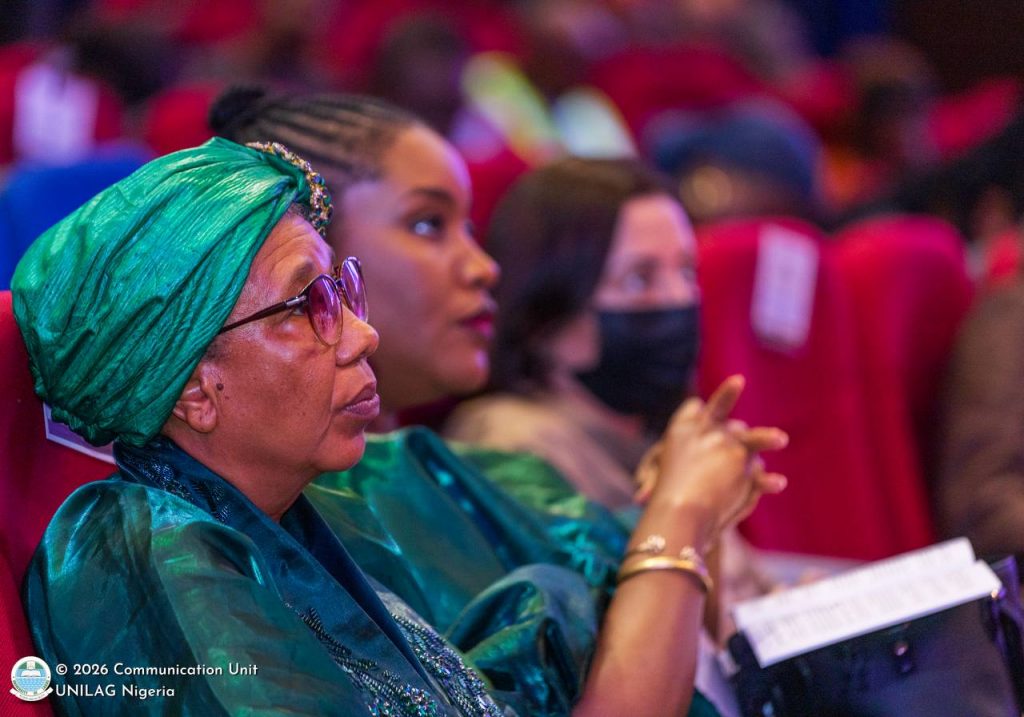
Held at the J. F Ade Ajayi Auditorium of the University, the Lecture drew a wide array of dignitaries including the mother of the Guest Lecturer, a Nobel Laureate; beneficiaries of the Slum to School Scholarship programme; staff and students of UNILAG; among others.
The Lecture
Mr. Otto’s presentation titled:Maximizing Nigeria’s Demographic Dividend through Urgent Education Reform for Global Competitiveness in the 21st Century, decried Nigeria’s frail state of mere survival and stability where the bulk of citizens prioritize food, rent, transportation and basic security as against claims of sovereignty and sophistication.
The Education Advocate pointed out measures which could address the national quagmire. These include:
An expansion of the Universal Basic Education (UBE) Act from 9 years to 15 years to accommodate an initial 3 years of early childhood education for brain development, language, values and social foundation and a 3-year Senior Secondary education to develop skills, specialization and real world capability .
A Law-backed National Education Policy which is rooted in African identity, committed to national transformation and will guarantee the raising of a generation of Nigerians who can think clearly, act ethically, build boldly and are capable of competing and leading anywhere in the world.
A repositioning of teaching as Nigeria’s most elitist profession by gradually phasing out the National Certificate of Education (NCE) and transitioning of all Colleges of Education into degree awarding Universities of Education with emphasis on strong pedagogy, high entry requirements, supervised classroom residency, licensing and above-average pay.
Standardization and decolonization of the national curriculum to protect and project real African values while promoting the creation of Nigerian and African fairy tales, storybooks, animations and learning materials centered on local heroes, history and culture for early childhood education in partnership with Nigerian authors, historians, animators and cultural institutions.
Re-engineering of Education around skills development from get-go.
Equalization of universities, polytechnics as well as technical and vocational education and training centres (TVET) with standardized curricula which is differentiated by specialization as against the currently obtainable status of hierarchy,
Creation of a fully digitized, data-driven education system where every pupil could be uniquely identified, traced and tracked at anytime.
Creation of two (2) strategic Education ministries namely: Children and Basic Education to cater to the Basic Education; and Higher Education and Research for tertiary education.
Mr Otto expressed optimism that if his suggestions are adopted, Nigeria’s population which is estimated to rise to about 410 million by 2050 will no longer be framed as a burden.
Setting the Tone
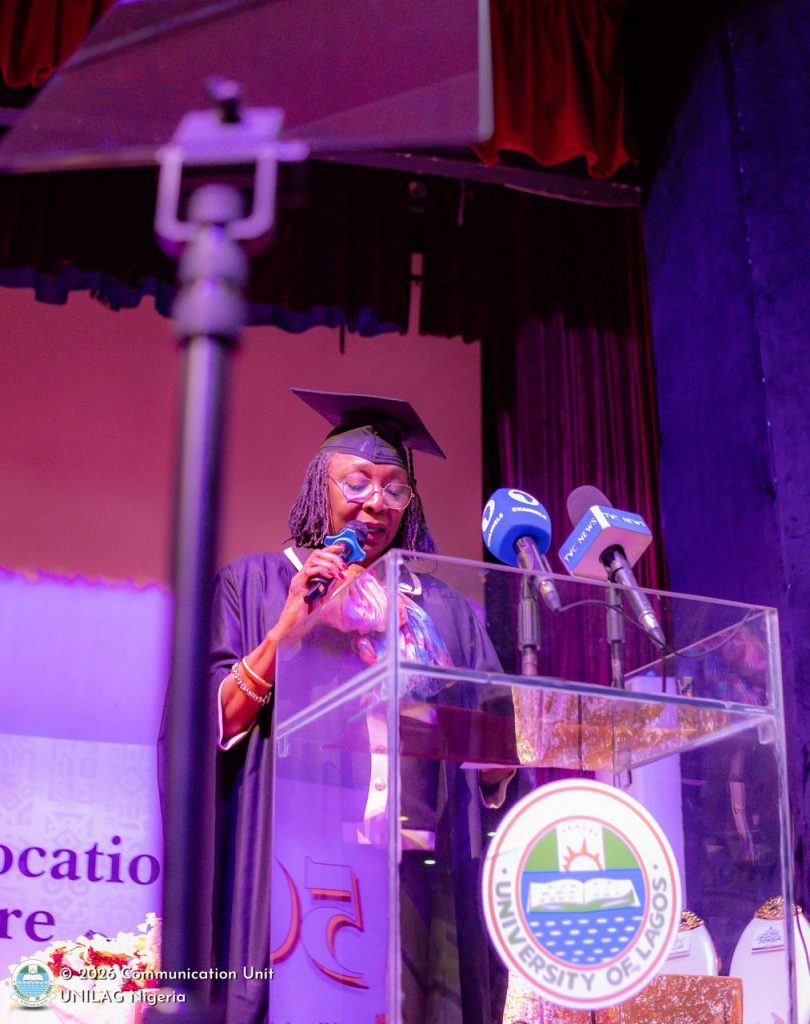
In her address to welcome guests to the Convocation Lecture, the Vice-Chancellor, University of Lagos, Professor Folasade Ogunsola, OON, FAS, stressed the need for intentional engagement in re-thinking the education sector from bottom up.